
Representocracy
Asymmetric dialogue driven by representation


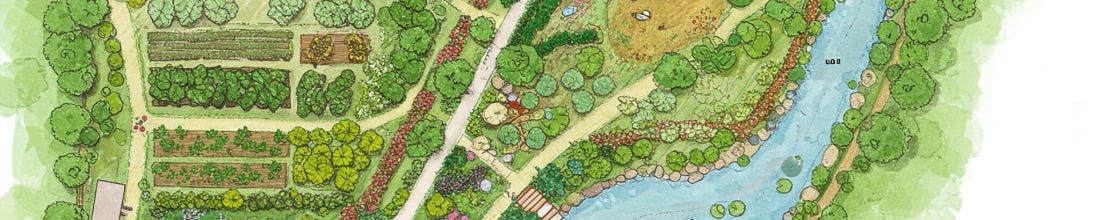
Architects get to shape our material world by conceiving buildings, cities, and landscapes. One of the many ways in how they do that is by first representing what they want to build in a way that allows others to collect and gather around and support their vision. Since buildings are such an important part of collective systems, the ability of architects to get collective groups to agree and support the vision is critical as buildings need permits, budgets, and a license-to-operate.
In order to get the collective to agree on their vision, the architect becomes an expert in producing a representation of that vision that allows others to have an organized conversation about the project. The artifact used to represent that vision can be referred to as a blueprint, mock-up, or a model in which the architect can use multiple tools, like sophisticated and curated language, 3D visualizations, and even — in the case of already successful architects — references to other buildings that can serve as a bridge from concept to reality.
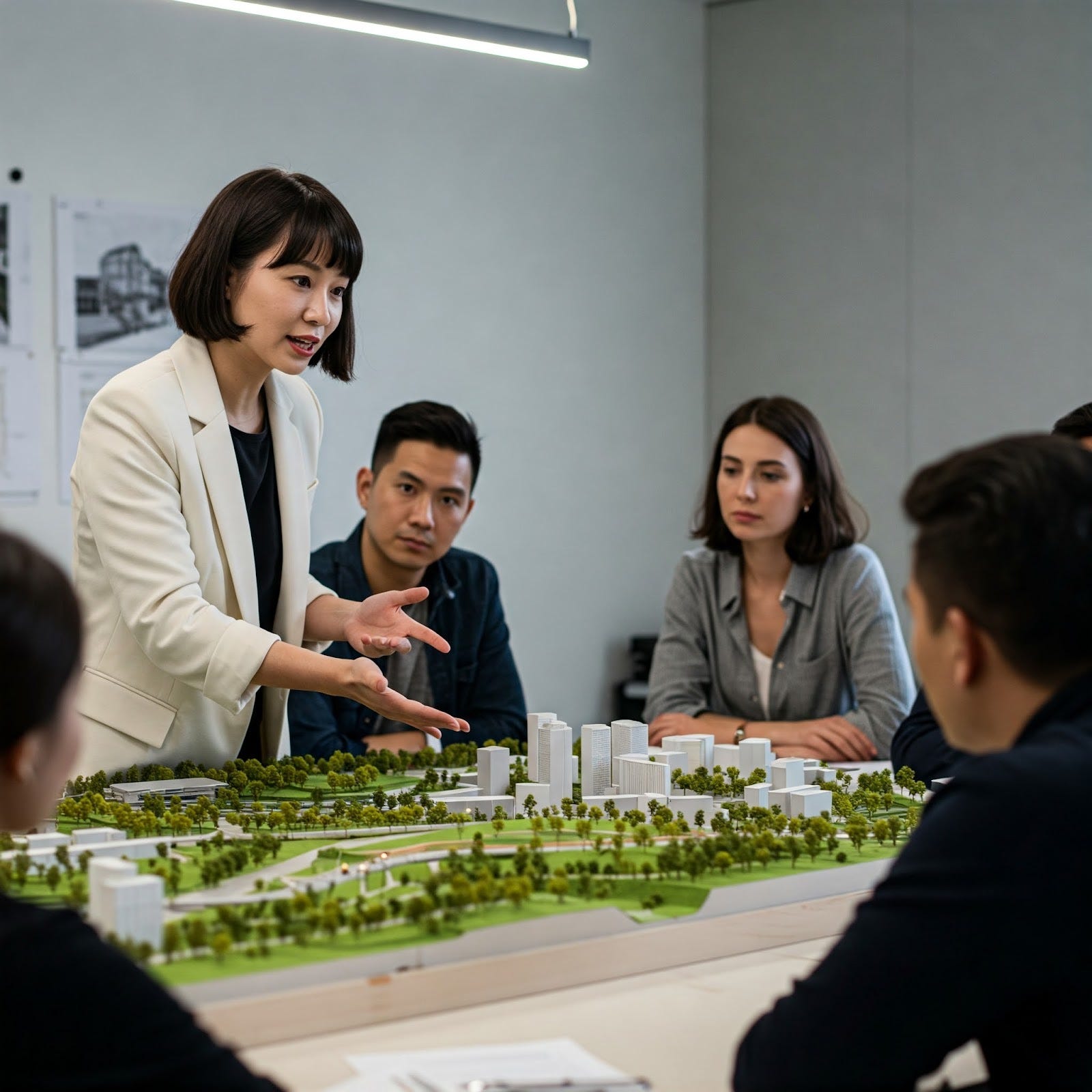
Architects are experts in representation of visions that will eventually materialize in real systems that impact collective populations. Traditionally, the impact of these constructions are managed by enhancing the inclusivity of the people that hold a stake on the consequences of the project during the process of representation. For a relatively low cost, the architect allows people to have a preview of what is about to become real which serves as an opportunity for the people impacted to provide feedback, or support, which becomes an iterative process until consensus is achieved and the architecture is materialized into a signed final representation.
After that, the challenge becomes mostly an execution problem for engineers and constructors to stay as close as possible to the approved blueprint or representation.
Architects are not just good in representation, but in all things related to buildings and landscape. They have theoretical and empirical knowledge about what works and what doesn’t. The construction of a building is not just about materializing a vision of a cool-looking building but about ensuring that the building performs basic functions like supporting itself from falling or complying with code and regulations for fire protection and other critical functions.
The opinion of an architect, as an expert building designer, should carry special relevance in relationship to the opinion of a neighbor who is thinking about building design for the first time in their life, or to the kids of the family that will live in the building. But that doesn’t mean that the architect should be the sole designer of the building.
The technical term commonly used to refer to these things that shall be done when designing a building is requirements or specifications. These requirements are usually required by regulation, codes, standards, professional practices, or other forms of governance and control of quality that can come all the way from the architect herself to international regulatory entities.
The awareness and understanding of these requirements make the opinion of certain professions, like architects, critical for most projects. A hierarchical structure of decision making is established that serves the purpose of making sure that any argument, dispute, or negotiation between the expert and other stakeholders on the project gets resolved by simple hierarchical priority. An example of this is that the owner or commissioner of a building could be motivated to reduce cost by avoiding certain requirements that are expensive to implement, which would conflict with the professional and ethical standards of the expert. In this case the expert would have hierarchical priority for the decision given the consequences.
The same happens with many other professions in which the experts face decisions that hold significant and material consequences, like commercial airplane pilots, surgeons, accountants, civil engineers, and so on. These professionals shouldn’t have to persuade others about the need for application of critical requirements. In practice this translates to systems of governance and control that determine very clear and strict lines of communication and decision making.
Experts, like architects, are equipped with many tools that allow them to navigate the challenge of bringing along their stakeholders. Among them is the one mentioned before: the hierarchical authority vested to them by the governance systems in place. For example, surgeons, commercial pilots, civil engineers, architects, and other professions hold a legal hierarchy over their decisions that entitle them to do what they have to do.
But hierarchy is not the only tool they have. Experts also have to establish a dialogue and negotiation with the stakeholders impacted by the system. Many other decisions are not considered critical requirements but desires, preferences, alternatives, and an infinite arrange of options and add-ons to any project considered. This forces the experts to lean into representation tools that allow them to communicate their vision in an effective way with others.
The construction crew, the kids, the neighbors, the inhabitants, the family of the owners; and furthermore, the animals, insects, fungi, bacteria, and other non-human entities; and even the non-living entities like ancestors and descendants don’t have the same competency or capability to interact with the representations presented by the architect. This puts them at a disadvantage in the collective process of decision making and negotiation.
In other words, there is an asymmetric dialogue between stakeholders and architects as the information stakeholders can access and manipulate is limited to the quality of the representation they can interact with.
This asymmetry and control imposed by the expert on representation produces such a gap in the relationship that it can trigger nihilism for all other parts as a response within collectives. “The squeaky wheel gets the grease” in a zero-sum game: If one participant holds the power to represent, they also hold the power to control the narrative for all other participants not able to directly interact with the object of representation.
Requirements are a tool used by the ones representing systems to gather perspectives from other participants. If only it was possible to collect a list of the things that are required to be considered in the representation then the representation would be, at least theoretically, complete.
But this assumption ignores the reality that, in relatively simple engineering systems, there are millions of requirements, which triggers a level of intractable complexity that experts can hold by trusting the formality of the tools they are using. This approach, however, requires surrendering to direct understanding.
The advantage that an architect has to represent an idea in visual terms is similar to the advantage of anyone using analytical representations to represent a concept. It seems hard to argue with numbers and models because it first requires to argue about the fundamental assumptions and constructions of those models, which requires expertise and perspective that cannot be shallow or improvised during an argument. This is why analytical arguments are so effective and tend to succeed in industrial, corporate, and political domains.
The tendency of an approach to take over should not be equated to its value or beauty: Sugar is not healthier than broccoli, but it will overwhelmingly tend to be consumed more by a hungry person.
But architects are not just really good at representing buildings and projects in mockups and blueprints for 3D models. They are also experts in many competencies associated with buildings. The architect is also experienced in what works and what doesn’t when a building comes to life.
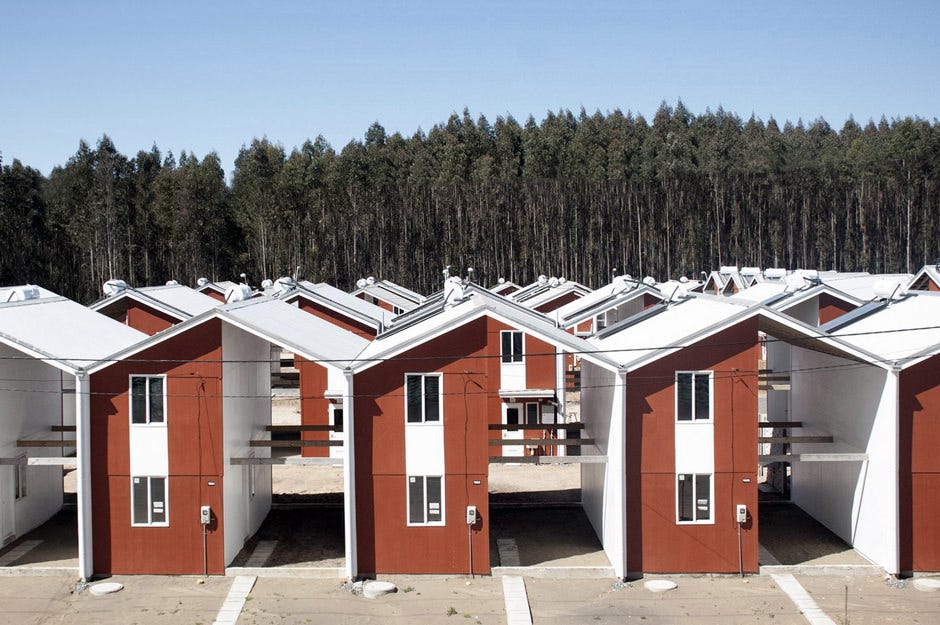
The Pritzker Prize architect, Alejando Aravena, designed a house for lower-income families that was only designed half-way, leaving a space for the family to develop the rest at their own pace, needs, and taste.
This concept of providing the spark of a design instead of a completed blue-print could be extended to our relationship with Nature: Holon Gardens provide the spark of a garden-to-be. We believe that the value of the garden lies in the process of becoming and not in the final result.
The garden is conceived as a half-garden, leaving a space for the homeowner, the community, and Nature to complete the design and construction.
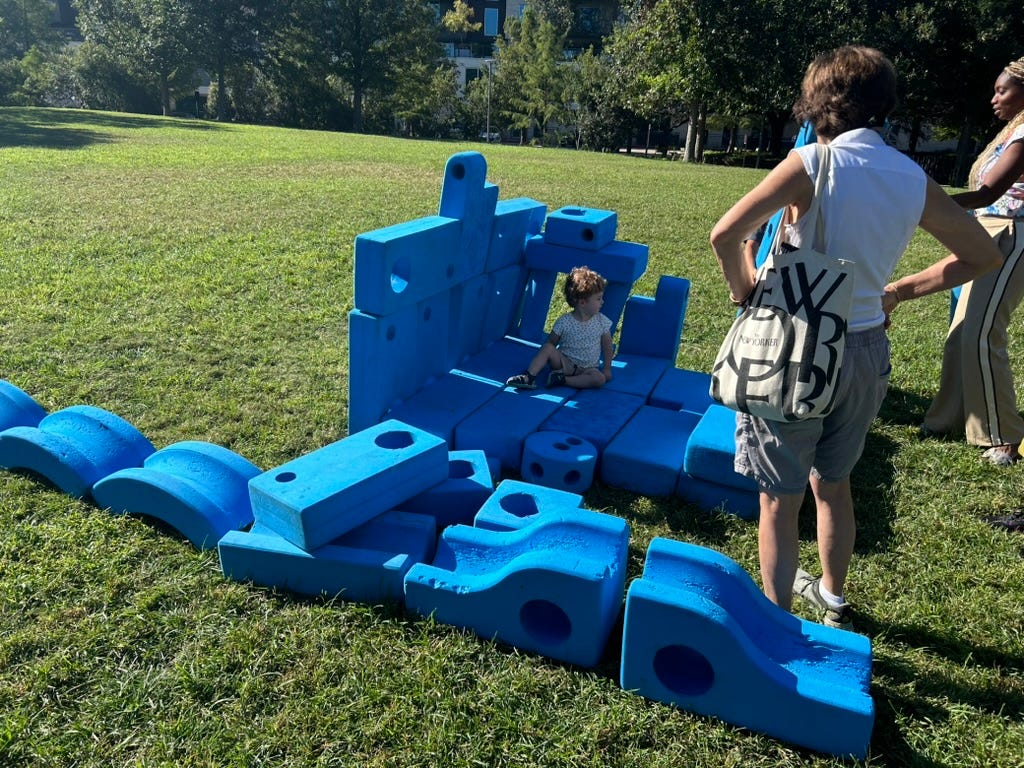
A more extreme version of this concept could be achieved by providing not a half-house but the materials for the house, or in other words, just 10% of the house. This is exactly what toy designer Cas Holman does with her collective toys for kids, including the famous blue playground.
It is not a coincidence that the only designer attempting this approach is a toy designer. It is perceived to be dangerous to leave the design of a consequential system to its parts without ensuring the control of compliance with requirements needed to function safely and securely. In other words, it is hard to imagine that a bridge would be built this way as a bridge’s function is critical to the safety, life, and economic development of the people using it. A bridge also needs to consider the laws of physics and the properties of the materials in order to perform its function, and the knowledge required to achieve that functionality is only accessible to highly trained professionals.
Most people don’t understand how soil behaves, how materials work, or how buildings maintain structural stability. They also don’t understand the effect of winds, water, or earthquakes on these things, so leaving it up to them would mean waiting for catastrophe. I have personally played many times with my 7 year old daughter in the collective playground near my home in Houston, Texas, and have witnessed multiple times how kids repeatedly create structures that collapse or become conflicting and in tension. I have even witnessed how parents get involved by taking over the fun for the kids and turning it into a more command and control dynamic.
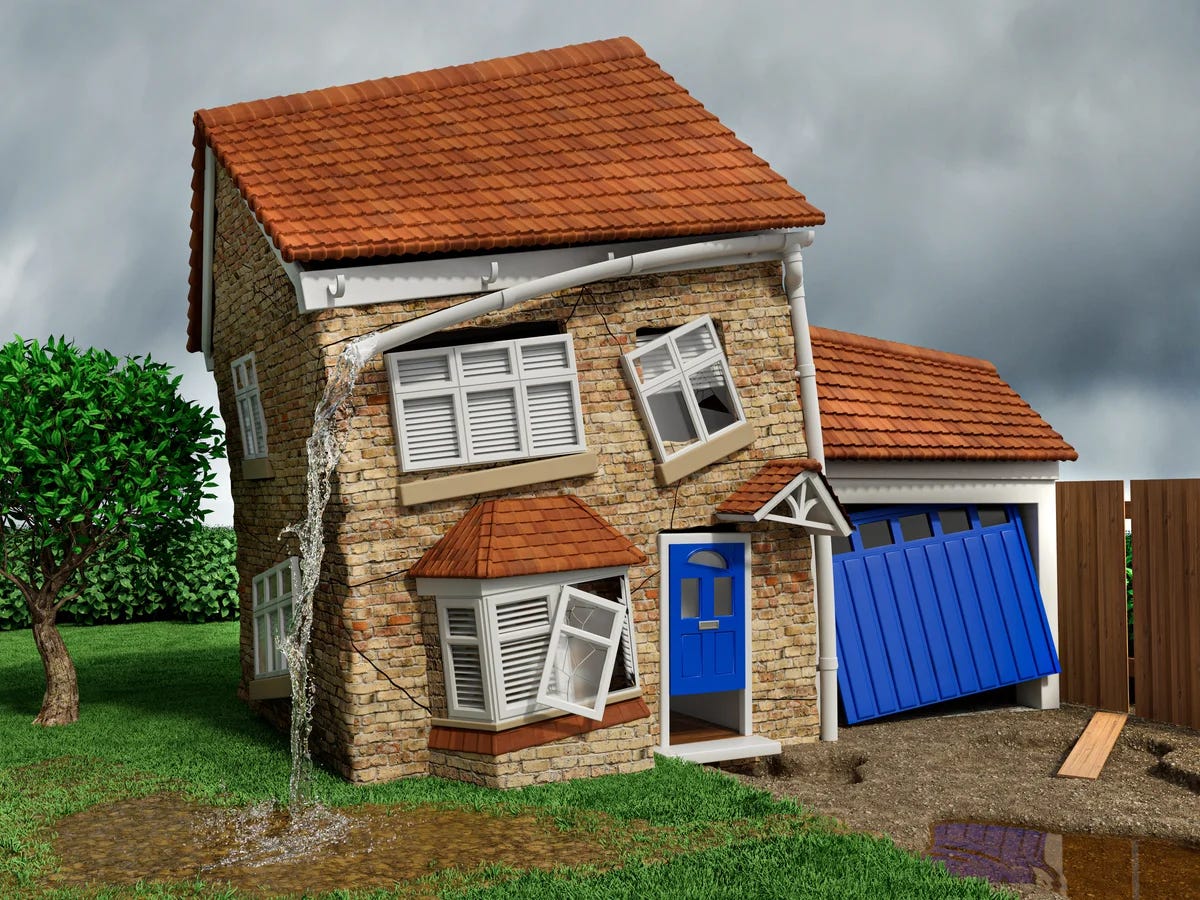
The arguments against the approach of collective building could be summarized as follows. First, we need specialists to have the ultimate word on a design and process because they understand things most people don’t about how things work. Second, most people are too busy or aren’t interested in designing or completing a project, so relying on the collective would mean the project will never get done. Finally, good specialists and decision makers are already incorporating the collective perspective anyway, so this is already happening and not needed.
The argument about who should be the ultimate designer or decision maker and how much we leave it up to the expert versus the user is usually presented in other contexts not related to buildings. We often imagine these scenarios in the functioning of democracy as it is sometimes used to criticize the value of democracy as a system that leaves the critical decisions about a society, a country, or a region of the world to people who don’t really understand what they are doing. These arguments, in other words, hold the danger of being misused by people promoting authoritarianism, technocracy, hierarchy, and control.
This means that we don’t only leave the design of buildings to architects because they are good at representing their vision and therefore convincing everyone to support it. It’s also because they are the experts and they know better, so we should entrust them to take over the decision.
We at Holon recognize the paradox of these philosophies of system design. We think that within their tensions and contractions lies the future of harmony for collective systems. Healthy systems require both specialization and coordination without disconnecting from any approach. Healthy systems require composing these perspectives.
We also recognize that by conflating both arguments into one we are losing a key complexity that could be of value for the health of socio-technical systems. We can both recognize the need for experts in decision making, and we should take into consideration the harmony of these experts with the areas of the design in which they are not actually an expert. In other words, it is true that architects are experts in most things related to buildings, but they are not experts in the specific family that will live in that building. Nobody knows better about them than the families themselves. The same goes for Nature as no one is an expert in the ecological system in which the building will exist — that expert would be Nature itself.
One potential risk of conflating these is not realizing the vulnerability that the expert herself has to her own representations. In other words, experts are overlooking the tendency that is created for self-delusion. We believe ourselves in our own representations of reality.
This tension is popularly captured in the proverb “If you want to go fast, go alone. If you want to go far, go together.” This adage, while acknowledging the advantage of going “fast” by centralizing the decision, provides the contrast with the idea of going “far”. It is easy to imagine how giving the project of designing and constructing a garden in the front yard of a house would be a faster and easier project if we give it to a single designer who uses a construction company. What would it mean to go “far” in the example of a neighborhood garden?
The power of relational mathematics is that it allows us to relate to these paradoxes without the need to collapse them into a flat perspective. We don’t have to choose between one perspective or the other — we can consider both. In other words, these are two separate problems that are usually conflated but shouldn’t be. The fact is that some people are experts and should have more relevance in a decision. It is also true that some people are better at representing their perspectives and gain an advantage over other perspectives that are not represented in such an accessible or intuitive way.
To answer the question of what it means for a garden to go “far” instead of “fast,” first we focus on an inherited implication: that a garden is a project. The concept of a project comes from the ideas of industrialization and management, and it includes two attributes that are essential to the paradox of collectiveness: (1) a project is temporary, which means that it has a clear beginning and an end and (2) a project has a clearly pre-defined objective or aim.
If a garden is framed like a project, the fast and far concepts are easy to understand. It is based solely on completion and scope of the project. What is more challenging about fast and far is when considering the garden as a living organism. Living organisms are not projects but beings.
This question is important as it allows for the following distinction. We can consider some parts of the system of a building a project and some parts as a living organism. They are both true at the same time. In the example of architect Aravena, the project considers the construction of a half-house. The project had an objective, a clear aim with a beginning and an end. What happens after is not a project but a living organism in relationship to the family that inhabits the home. The building is adaptable while at the same time being physically constrained.
These flexibilities and constraints embedded in the original physical design can be called Affordances, described in this specific case as the possible things afforded to the family. This isn’t “afford” as in having enough money to pay for changes to the house. These affordances are physio-chemical characteristics that are embedded in the original design/implementation that influence the trajectory of the rest of the life of the living organism.
Model-based phenomenology is a concept pushed by thinkers like Michela Massimi that describes the possibility of embedding the representation into the physio-chemical material reality. It is a concept of physically embedding in the material world what lives in the conceptual space of each participant of a complex system.
Ultimately, the challenge lies in navigating the intricate dance between expert knowledge and collective participation. While specialized skills are essential for ensuring safety, functionality, and adherence to regulations, we must also recognize the value of diverse perspectives and the potential for organic growth through collaborative design. By acknowledging the limitations of representation, the inherent biases of expertise, and the importance of both “fast” and “far” approaches, we can strive to create more harmonious and resilient systems that truly reflect the needs and desires of all stakeholders, both human and non-human.
 | A guest post by
|